
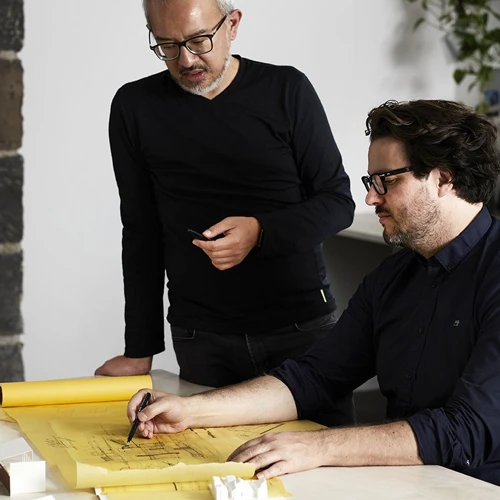

Modern interiors are no longer just about visual appeal—they are about how a space feels, functions, and supports everyday life. From material choices to layout planning, thoughtful interior design enhances comfort, efficiency, and long-term value.
At Agha Builders & Developers, we believe that well-designed interiors create meaningful experiences, blending aesthetics with purpose to elevate how people live and work.
The Role of Interior Design in Everyday Living
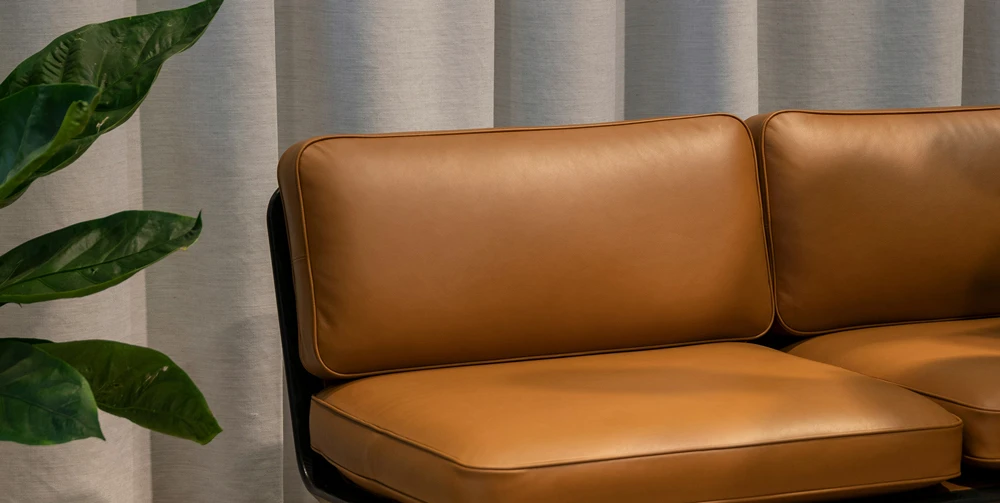
Interior spaces play a crucial role in defining lifestyle quality. Clean lines, balanced proportions, and carefully selected materials contribute to environments that feel calm, welcoming, and functional. Whether residential or commercial, good interior planning focuses on movement, natural light, and usability.
A successful interior design considers both present needs and future adaptability, ensuring that spaces remain relevant and comfortable over time.
1. Functionality Meets Aesthetics
Design should never sacrifice usability for appearance. Practical layouts, smart storage solutions, and durable finishes ensure interiors perform well in daily use while maintaining a refined look.
Every element—from flooring to lighting—should serve a clear purpose while contributing to the overall design language.
2. User Experience & Spatial Flow
Great interiors guide people naturally through a space. Proper circulation, well-defined zones, and thoughtful transitions improve comfort and efficiency.
When spaces are designed around real human behavior, they feel intuitive, effortless, and enjoyable to use.
Interior design is not about trends alone—it’s about creating spaces that work beautifully over time. By combining creativity with technical expertise, interiors can support productivity, relaxation, and connection.
At Agha Builders & Developers, our approach focuses on delivering interiors that are elegant, functional, and built to last.
Design Strategy & Spatial Planning
Thoughtful interior planning goes beyond aesthetics. It focuses on how people interact with space, how movement flows naturally, and how each element supports daily use. Strong spatial strategies ensure interiors remain practical, visually balanced, and adaptable over time.
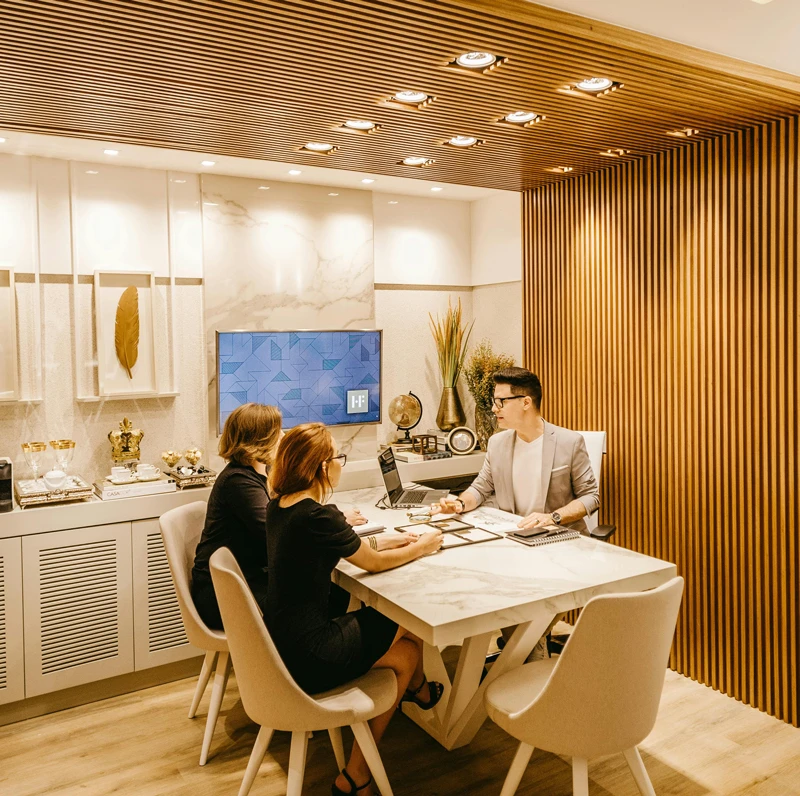
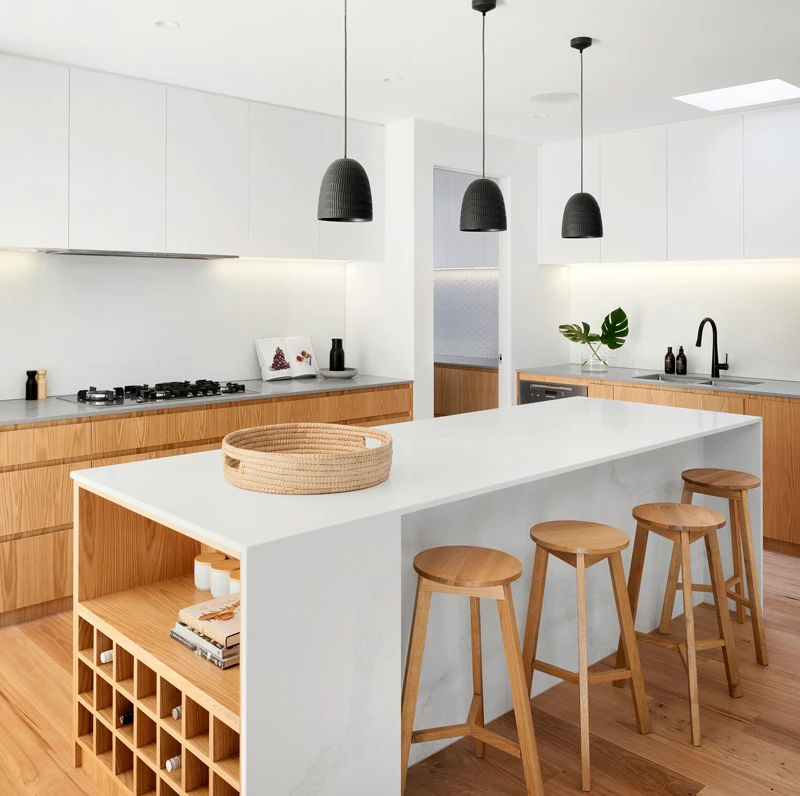
Interior environments should feel intuitive and effortless to use. When design decisions are guided by purpose, spaces become more than visually appealing — they become livable. Materials, lighting, and layouts must work together to create harmony, allowing interiors to evolve with changing needs while maintaining their original character.
A well-designed interior balances current lifestyle requirements with long-term flexibility. This approach ensures durability, relevance, and comfort, making spaces suitable for both personal living and professional use without frequent redesigns.